Why are more users choosing VPN tools for everyday online privacy?
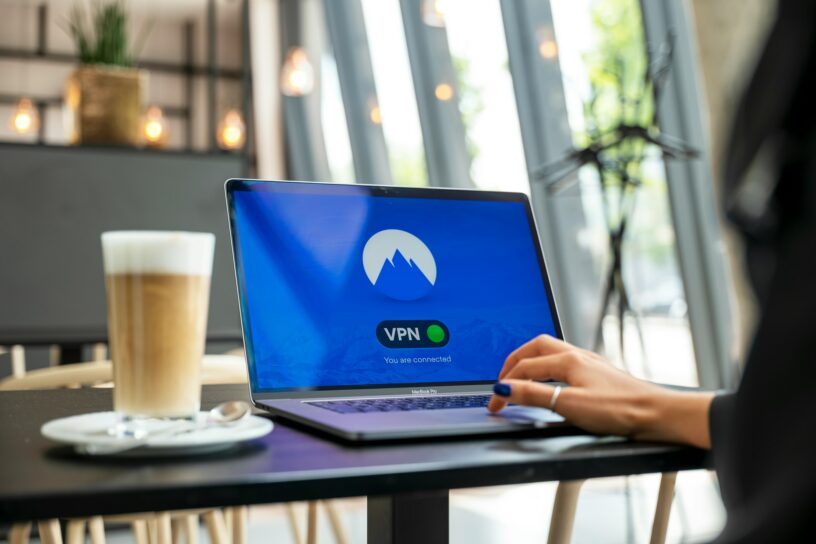
Have you ever felt a chill run down your spine when connecting your laptop to public Wi-Fi in a busy café or airport? That gnawing suspicion that your sensitive data could be just a click away from prying eyes is not an idle fear. With the digital landscape expanding at an unprecedented rate, our online lives are becoming an open book, and the demand for privacy tools has never been more crucial.
In today's world, where every click and keystroke may be tracked, the question isn’t just whether you should protect your personal information—it’s how. Enter Virtual Private Networks (VPNs), the unsung heroes in the battle for online privacy. As you read on, you’ll discover the key drivers behind the rising need for these tools, how they work to safeguard your information, and what to look for when selecting a trustworthy provider. By the end of this article, you’ll be equipped with the knowledge to navigate the digital world securely and confidently.
The Rise of VPNs: Understanding the Growing Demand for Online Privacy Tools
In recent years, our internet usage has exploded, with activities ranging from streaming and online shopping to remote work becoming commonplace.
As we spend more time online, concerns about privacy have intensified, especially with the extensive data collection practices employed by websites and applications, such as tracking by advertisers and analytics firms.
In response to these concerns, many individuals have turned to Virtual Private Networks (VPNs), including casual users, journalists seeking confidentiality, and employees working remotely.
Key Drivers Behind the Increased Use of VPNs for Everyday Activities
The surge in data tracking by advertisers and platforms has sparked greater interest in VPNs, particularly due to invasive practices like behavioral advertising and retargeting.
Moreover, the rising awareness of risks associated with public Wi-Fi usage, often found in coffee shops, airports, and hotels, has further highlighted the need for robust security measures.
How VPNs Safeguard Personal Information from Online Threats
VPNs provide a critical layer of security by encrypting internet traffic from end to end. This often involves sophisticated methods such as AES-256 encryption, TLS tunnels, and secure handshakes.
Additionally, they effectively hide users' IP addresses, thereby minimizing the risk of profiling and invasive tracking, whether it's based on location or ISP logging.
By creating a secure tunnel, VPNs also shield local networks from direct exposure, protecting both home and office connections, as well as mobile hotspots.
The best VPNs come equipped with advanced features that safeguard DNS queries and prevent data leaks, utilizing elements like DNS leak protection, handling of IPv6 traffic, and kill switch functionalities.
For instance, tuxler offers a range of features that enhance online privacy and security.
The Role of VPNs in Enhancing Security on Public Networks
Using public Wi-Fi can expose users to significant threats, such as packet sniffing and man-in-the-middle attacks that may lead to credential theft or session hijacking.
VPNs counter these risks by establishing encrypted tunnels that allow for secure browsing, protected email access, and safe file transfers, ensuring users can operate confidently even on shared networks.
Navigating Legal and Privacy Challenges: The Importance of VPNs
Legal frameworks and policies surrounding data retention and access can greatly impact how personal information is handled. Examples include national laws on data retention and requests for access from various jurisdictions.
The location of a VPN provider can impact privacy guarantees, with certain regions like Switzerland, Panama, and the British Virgin Islands known for strong privacy protections.
Moreover, claims of no-logs policies must be substantiated through credible audits and transparency reports, highlighting the importance of third-party evaluations and independent reviews.
Comparing VPN Services: What to Look for in a Trusted Provider
When choosing a VPN, it’s essential to consider the encryption protocols and performance levels offered, such as WireGuard, OpenVPN, and IKEv2.
Scrutinizing the logging policies and the results of independent audits is equally important, including looking for verified no-logs statements, transparency reports, and warrant canaries.
Also, take note of server coverage and connection limits, assessing factors like the number of countries served, availability of regional nodes, and how many devices can connect simultaneously.
Lastly, evaluate any extra security features the service provides, such as a kill switch, split tunneling options, multi-hop connections, and available customer support around the clock.
Impact of Increased Surveillance and Data Collection on VPN Adoption
The rising tide of surveillance has notably fueled the demand for privacy tools like VPNs. This includes practices such as ISP monitoring, government oversight, and extensive corporate tracking.
This trend toward adoption reflects a broader awareness of data risks, observed in both consumer choices and enterprise implementations, along with the integration of privacy tools in various applications.
Importantly, VPNs often complement other privacy-enhancing tools, such as ad blockers, encrypted messaging apps, and browsers designed with privacy in mind, collectively minimizing users' exposure online.

cyrilou
-

The impact of technology on business scalability
Businesses must be both fast and adaptable—two essential levers for growth. Technologies like AI, automation, and cloud computing have become indispensable. Failing to adapt means risking serious setbacks compared to the competition. I once worked for a software company that didn’t believe in the cloud—this cost them dearly… We’ll explore how these tools are transforming […]
-

Artificial Intelligence: The next technological revolution after the Internet?
The creation of the Internet at the end of the last century revolutionized our lives (for better or worse, depending on one's perspective…). But it didn't happen overnight; it took decades to profoundly transform our societies after its invention. Artificial intelligence seems to be following a similar trajectory. Often overestimated in the short term—just look […]
-

Essential Python libraries for Data Science
When you're a developer looking to dive into data science, you immediately think of Python ^^ (Okay, maybe I'm a bit biased haha). It’s fair to say that Python remains the undisputed star of the field, with a massive and rich ecosystem!In this article, we’ll take a tour of the must-know Python libraries, organized by […]
Laisser un commentaire